

If you’ve recently received dental implants or you’re considering the procedure one of the first things on your mind might be food. Specifically: can you enjoy seafood after dental implants? The short answer is yes, absolutely. But like most good things, timing and patience matter.
At The Hamptons Dentist – Joshua A. Weiler, DMD PC, located in Westhampton Beach, NY, patients regularly ask about returning to their favorite meals after implant surgery. This guide walks you through everything you need to know from the healing timeline to which seafood dishes are safe, and when you can finally indulge in your favorites again.
Why Dental Implants Change the Way You Eat (At First)
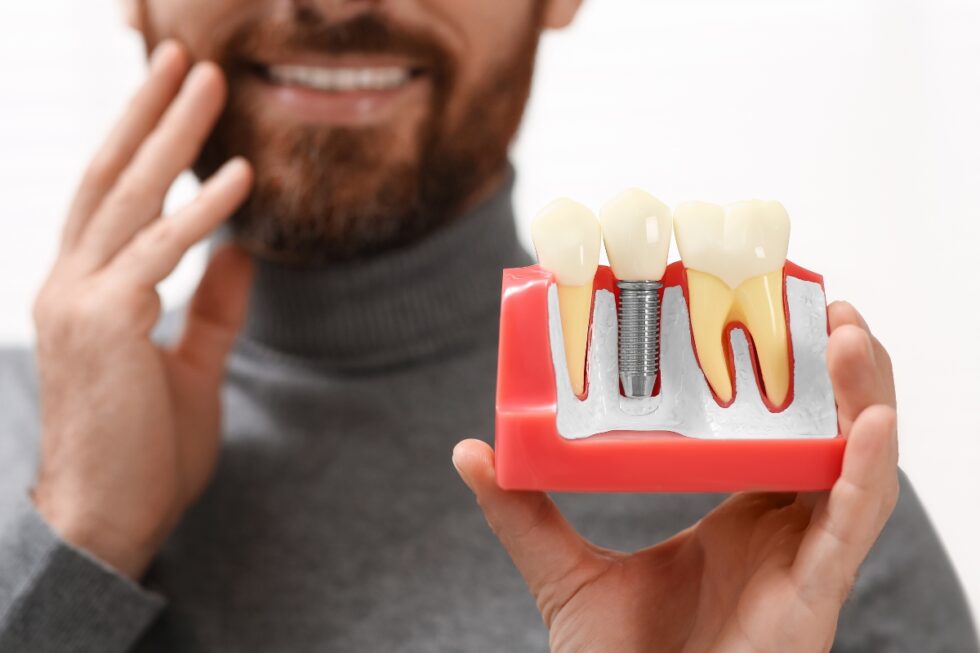
Dental implants are titanium posts surgically placed into your jawbone to replace missing tooth roots. After placement, your bone needs time to fuse with the implant a process called osseointegration. During this period, the implant site is sensitive, and eating the wrong foods can interfere with healing or even dislodge the implant.
This is why your dentist will recommend a soft food diet in the weeks immediately following surgery. It’s not forever it’s a protective phase that sets the foundation for a lifetime of comfortable, confident eating.
Seafood After Dental Implants: A Timeline
Understanding when you can reintroduce different types of seafood helps you plan ahead and avoid setbacks.
Week 1–2: Stick to Soft Foods Only
In the first two weeks, your mouth is in its most vulnerable state. Avoid all seafood during this period, including soft fish. The goal is to minimize chewing, pressure, and any risk of food particles irritating the surgical site.
Safe foods during this phase include smoothies, yogurt, mashed potatoes, and broth-based soups.
Week 3–4: Gentle Reintroduction Begins
As initial healing progresses, many patients can start introducing soft, flaky fish. Think:
- Tilapia
- Cod
- Flounder
- Steamed or poached salmon (not grilled or crispy)
These options are easy to chew, low in chewing resistance, and rich in omega-3 fatty acids which may actually support tissue healing.
Avoid at this stage: crab legs, hard-shelled shrimp, fried seafood, or anything that requires significant biting force.
Month 2–3: Expanding Your Seafood Options
With your dentist’s approval, you can typically start enjoying a wider range of seafood including shrimp, scallops, and soft-prepared lobster. At this stage, osseointegration is often well underway, and the implant is becoming more stable.
Month 4–6: Back to Full Seafood Enjoyment
Once your implant is fully integrated and your dentist in Westhampton Beach, NY has confirmed successful healing, you can return to virtually all seafood steamed lobster, crab, clams, oysters, and more. For most patients, this is when they truly appreciate the difference implants make compared to dentures or missing teeth.
Why Seafood Is Actually a Great Choice After Recovery
Here’s some good news: once you’re fully healed, seafood is one of the best dietary choices for implant patients.
- Omega-3 fatty acids in fish like salmon and mackerel support gum health and reduce inflammation.
- Lean protein aids in tissue regeneration and bone health critical for implant longevity.
- Low sugar content means less risk of plaque buildup around the implant crown.
- Soft textures (when properly prepared) make many seafood dishes naturally gentle on teeth.
What to Avoid Even After Full Healing
Even with a fully healed implant, a few seafood preparations warrant caution:
- Hard crab shells or lobster claws cracked with teeth always use the proper tools
- Very crunchy fried coatings that could put unexpected pressure on the crown
- Extra chewy preparations like dried squid or tough octopus
These don’t pose a serious risk to a well-healed implant, but protecting the crown from unnecessary wear is always smart.
Tips for Enjoying Seafood Safely During Recovery
If you’re in the middle of your healing period but craving the taste of the sea, here are some ways to satisfy that craving safely:
- Opt for broiled or steamed fish rather than fried or grilled
- Remove skin from salmon or fish with tougher outer textures
- Flake fish apart before eating to reduce the need to bite through larger pieces
- Avoid cocktail sauce with horseradish early on spicy condiments can irritate healing tissue
- Rinse gently with warm salt water after eating to keep the implant site clean
How Dental Implants Compare to Dentures for Seafood Lovers
One of the most overlooked benefits of dental implants is how they restore natural eating freedom. Denture wearers often struggle with chewy or sticky foods and seafood like shrimp or scallops can be challenging with ill-fitting plates.
Dental implants are anchored directly into the jawbone, providing stability that mimics natural teeth. That means no slipping, no discomfort when biting into a shrimp cocktail, and no hesitation before ordering your favorite dish at a seafood restaurant.
If you’ve been limiting your diet due to dentures or missing teeth, implants may genuinely transform your quality of life not just your smile.
Questions Patients Commonly Ask
Most patients can reintroduce soft shrimp around weeks 3–4 of healing, as long as it’s well-cooked and not chewy. Your dentist will provide personalized guidance based on your healing progress.
Raw fish like sushi is generally fine once healing is complete (around 3–6 months), but it’s worth checking with your dentist first. During the healing phase, avoid raw seafood entirely to reduce any infection risk.
A fully healed implant is extremely durable. Lobster is safe to enjoy just don’t use your teeth to crack the shell. Use a lobster cracker to protect both your implant crown and your natural teeth.
Any persistent pain when chewing after the initial recovery period should be reported to your dentist right away. Discomfort could indicate that osseointegration hasn’t fully completed or that there’s an issue with the implant or crown that needs attention.
The opposite, actually. Seafood rich in omega-3s and protein can support healing. Just make sure you’re eating soft, low-resistance preparations during the early recovery phase and following your dentist’s specific dietary instructions.
Your Path Back to the Seafood You Love Starts Here
The road to enjoying seafood after dental implants is shorter than most people expect. With a proper healing plan, a little patience in the early weeks, and guidance from an experienced implant dentist, you’ll be back at the dinner table or the seafood bar before long.
At The Hamptons Dentist – Joshua A. Weiler, DMD PC in Westhampton Beach, NY, Dr. Weiler and his team specialize in making the implant journey as smooth and comfortable as possible. From your first consultation through full recovery, you’ll receive personalized care every step of the way.
Schedule your appointment today and take the first step toward a smile and a diet you can fully enjoy again.