

Losing a tooth—or several—can feel like more than just a cosmetic issue. It can affect how you chew, speak, and even smile with confidence. If you’ve been searching for a long-term missing teeth replacement solution, you’ve probably come across dental implants as a top recommendation.
But do they really last forever? And are they the right choice for you? In this guide, we’ll break down how dental implants work, why they’re considered one of the most permanent solutions available, and what to expect if you choose this path with the team at The Hamptons Dentist.
What Are Dental Implants, Exactly?
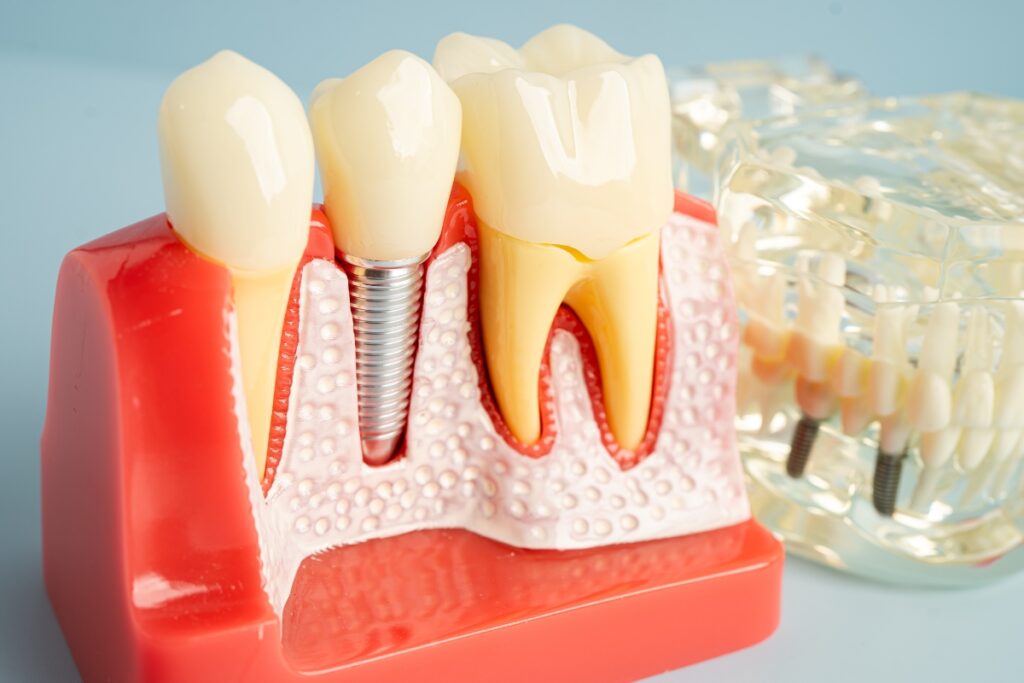
A dental implant is a small titanium post that’s surgically placed into your jawbone. Think of it as an artificial tooth root.
Once it’s in place, your jawbone naturally fuses with the implant over a period of time. This process, called osseointegration, creates a stable foundation. A custom-made crown is then attached on top, completing the look and function of a natural tooth.
Unlike dentures or bridges, implants don’t rely on neighboring teeth for support—they stand on their own.
Why Dental Implants Are Considered a Permanent Missing Teeth Replacement
They Integrate With Your Jawbone
Because the implant fuses directly with your bone, it becomes a permanent part of your mouth’s structure. This isn’t something that happens with removable dentures, which simply sit on top of the gums.
They Help Preserve Bone Density
When a tooth is missing, the jawbone underneath can start to shrink over time due to lack of stimulation. Dental implants mimic the function of a natural tooth root, helping to maintain healthy bone structure for years to come.
They’re Built to Last
With proper care, the implant itself (the titanium post) can last a lifetime. The crown on top may eventually need replacement after 10–15 years due to normal wear, but the foundation remains intact.
Comparing Missing Teeth Replacement Options
When patients ask about replacing missing teeth, they’re usually comparing three main options. Here’s a quick look:
- Dentures – Removable, more affordable upfront, but require ongoing adjustments and don’t prevent bone loss.
- Dental Bridges – Fixed in place, but rely on healthy neighboring teeth for support, which can weaken them over time.
- Dental Implants – Stand-alone, permanent, and preserve jawbone health without affecting nearby teeth.
For many patients, implants offer the closest experience to having natural teeth again.
Who Is a Good Candidate for Dental Implants?
Most adults with good overall health and adequate jawbone density are candidates for implants. However, certain factors are worth discussing with your dentist, such as:
- Gum disease that hasn’t been treated
- Significant bone loss in the jaw
- Certain chronic health conditions
- Smoking habits, which can affect healing
The good news is that even if you don’t initially qualify, treatments like bone grafting can often help prepare your mouth for successful implant placement.
What Does the Implant Process Look Like?
Step 1: Initial Consultation and Planning
Your dentist will examine your teeth, gums, and jawbone—often using X-rays or 3D imaging—to create a personalized treatment plan.
Step 2: Implant Placement
The titanium post is placed into the jawbone during a minor surgical procedure. Local anesthesia is used, and most patients report only mild discomfort afterward.
Step 3: Healing and Osseointegration
Over the next few months, the implant bonds with your jawbone. This is the step that gives implants their permanent, stable quality.
Step 4: Attaching the Crown
Once healing is complete, a custom crown is attached, matching the shape, size, and color of your natural teeth.
How to Make Your Implants Last a Lifetime
While dental implants are designed to be a permanent missing teeth replacement, their longevity also depends on how well they’re cared for. A few simple habits go a long way:
- Brush twice daily and floss around the implant area
- Visit your dentist for regular checkups and cleanings
- Avoid chewing on extremely hard items like ice or hard candy
- Address any grinding or clenching habits with a nightguard if recommended
Routine dental visits also allow your dentist to catch any small issues early, before they become bigger problems.
Final Thoughts: A Long-Term Solution Worth Considering
So, can dental implants replace missing teeth permanently? For most patients, the answer is yes. With proper placement, care, and regular dental visits, implants offer a stable, natural-looking, and long-lasting solution that supports both your oral health and your confidence.
If you’re exploring missing teeth replacement options and want to know whether implants are right for you, the team at The Hamptons Dentist – Joshua A Weiler, DMD PC in Westhampton Beach, NY, is here to help.
Schedule your appointment today to discuss a personalised treatment plan tailored to your needs and smile goals.
Questions Patients Often Ask
Does getting a dental implant hurt?
Most patients describe the procedure as far less uncomfortable than expected. Local anesthesia keeps you numb during placement, and any soreness afterward is usually manageable with over-the-counter pain relief.
How long does the entire implant process take?
It varies from person to person, but the full process—from placement to final crown—typically takes a few months. This allows time for proper healing and bonding with the jawbone.
Will my dental implant look natural?
Yes. The crown is custom-made to match the color, shape, and size of your surrounding teeth, so it blends in seamlessly with your smile.
Can I get an implant if I’ve been missing a tooth for years?
In many cases, yes. If bone loss has occurred, your dentist may recommend a bone graft first to create a solid foundation for the implant.
Are dental implants better than dentures for missing teeth replacement?
For many patients, implants offer more stability, comfort, and long-term bone health compared to removable dentures. However, the best option depends on your individual oral health, and your dentist can help you decide.
What happens if I don’t replace a missing tooth at all?
Leaving a gap can lead to shifting teeth, bite problems, and bone loss in the jaw over time. Addressing it sooner rather than later often leads to simpler, more comfortable treatment.