
If you’re exploring tooth replacement options, you’ve likely come across the term “screwless dental implants” and wondered how they stack up against traditional implants. Both options can restore your smile effectively, but they differ in how the crown attaches, how they look, and how they’re maintained. Understanding these differences can help you make a confident, informed decision with your dentist.
At The Hamptons Dentist – Joshua A Weiler, DMD PC in Westhampton Beach, NY, patients often ask which implant type best suits their needs. This guide breaks down the key distinctions so you can walk into your consultation prepared.
What Are Traditional Dental Implants?
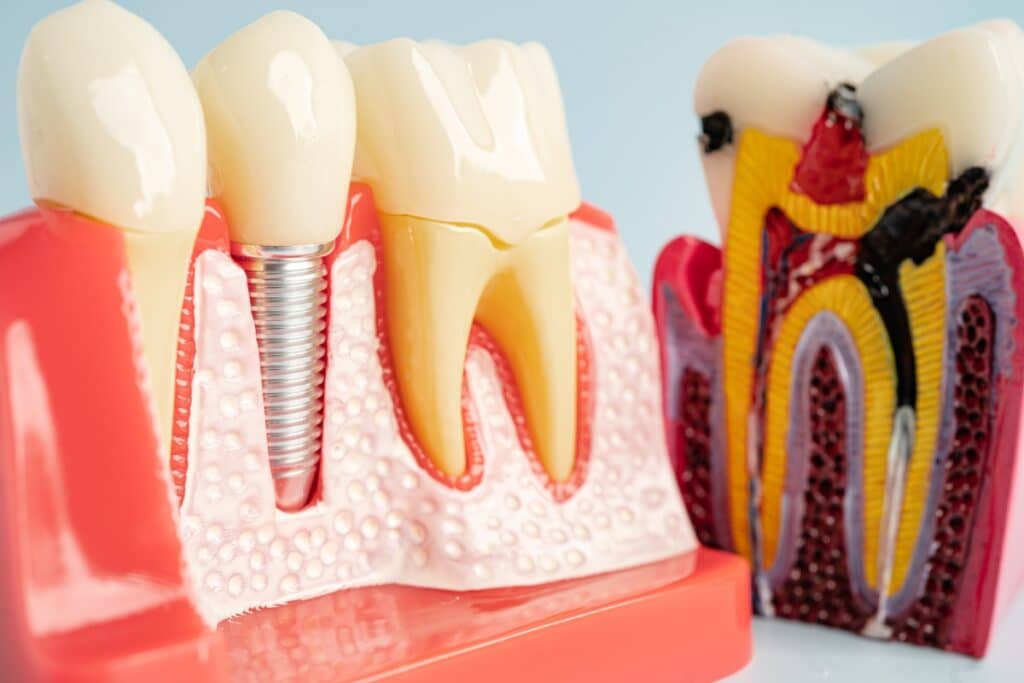
Traditional dental implants have been the standard in restorative dentistry for decades. They consist of three parts: a titanium post placed into the jawbone, an abutment, and a crown attached using a small screw.
This screw passes through the crown and into the abutment, creating a secure, removable connection. Dentists favor this method because it’s predictable, easy to adjust, and has a long track record of success.
Key Features of Traditional Implants
- A titanium post is surgically placed into the jawbone
- A visible (though often small) screw access hole sits on the crown
- The crown can be removed for repairs or maintenance without damage
- Decades of clinical data support their reliability
What Are Screwless Dental Implants?
Despite the name, screwless dental implants aren’t entirely screw-free. The titanium post is still placed in the jawbone just as it would be with a traditional implant. The real difference lies in how the final crown is secured rather than the absence of a titanium implant post.
Instead of a screw, the crown is bonded onto the implant using dental cement, which leaves no visible screw hole. Some systems also use a friction-fit or press-fit design to hold the crown in place.
How Screwless Dental Implants Work
- A titanium post is surgically placed into the jawbone, just like with traditional implants
- The site heals through a process called osseointegration, where bone fuses with the implant
- An abutment is attached once healing is complete
- The crown is bonded or friction-fitted onto the abutment, rather than screwed in
Key Differences Between Screwless and Traditional Dental Implants
1. Attachment Method
The most fundamental difference is how the crown connects to the implant. Traditional screw-retained implants use a small screw that passes through the crown to connect it to the abutment, while screwless designs rely on cement or friction-fit attachment.
2. Appearance
Because there’s no screw access hole, screwless implants are designed with aesthetics in mind, offering a seamless look that doesn’t show any visible openings on the crown surface. This makes them a popular choice for front teeth, where a natural appearance matters most.
3. Maintenance and Repairs
This is where traditional implants tend to have the edge. If a screwless crown ever needs to be removed or adjusted, the process is more involved — your dentist may need to remove and replace the entire crown. Screw-retained crowns, by contrast, can typically be unscrewed and reattached without damage.
4. Risk Factors
Each method carries its own considerations. With screwless implants, if excess cement isn’t fully cleaned away during placement, it can irritate the gums over time. Traditional implants can occasionally experience screw loosening, which usually requires a quick in-office adjustment.
5. Longevity
Both options can last for many years with proper care. With consistent maintenance, screwless implants can last over 25 years, a lifespan comparable to traditional screw-retained implants when patients follow good oral hygiene habits.
Which Option Is Right for You?
There’s no single “better” choice — the right implant depends on your unique smile goals, oral health, and the location of the missing tooth. A few general guidelines can help:
- Front teeth, where appearance is a top priority, often benefit from the seamless look of screwless implants
- Back teeth, where function and easy maintenance matter more, often favor traditional screw-retained implants
- Patients who want easier future adjustments may lean toward traditional implants
- Patients prioritizing a flawless cosmetic result may prefer the screwless approach
The best way to determine your ideal fit is through a personalized evaluation, including X-rays and a discussion of your goals.
Common Patient Questions
Do screwless dental implants cost more than traditional implants?
Not necessarily. Pricing depends more on your specific case, the number of implants needed, and your overall treatment plan than on the attachment method itself. Your dentist can provide a clear, personalized estimate during your consultation.
Is the surgery different for screwless implants?
No. The surgical placement of the titanium post is essentially the same for both types. The difference only appears later, when the crown is attached.
Will a screwless implant feel different in my mouth?
Most patients report that screwless implants feel just as natural and stable as traditional implants once healing is complete. The bonding process is designed to create a firm, comfortable fit.
Can a screwless implant be replaced if something goes wrong?
Yes, though the process is somewhat more involved than with screw-retained implants, since the crown is bonded rather than unscrewed. Choosing an experienced provider helps minimize complications and ensures the procedure goes smoothly if a replacement is ever needed.
Are screwless implants safe?
Yes. Both screwless and traditional implants use biocompatible materials like titanium, and both are well-established options in modern implant dentistry when placed by a qualified professional.
How do I know which type is best for my smile?
The only reliable way to know is through an in-person evaluation. Factors like jawbone health, the location of your missing tooth, and your aesthetic priorities all play a role in this decision.
Final Thoughts
Both screwless and traditional dental implants offer reliable, long-lasting solutions for missing teeth. The right choice ultimately comes down to your individual needs, the location of the implant, and how much you prioritize aesthetics versus ease of future maintenance.
Whichever option you’re considering, working with an experienced dental team makes all the difference in achieving a comfortable, natural-looking result.
If you’re ready to explore whether screwless dental implants or traditional implants are the better fit for your smile, the team at The Hamptons Dentist – Joshua A Weiler, DMD PC in Westhampton Beach, NY 11978 is here to help. Schedule your appointment today and take the first step toward a confident, healthy smile.